Archives
- 2026-03
- 2026-02
- 2026-01
- 2025-12
- 2025-11
- 2025-10
- 2025-09
- 2025-03
- 2025-02
- 2025-01
- 2024-12
- 2024-11
- 2024-10
- 2024-09
- 2024-08
- 2024-07
- 2024-06
- 2024-05
- 2024-04
- 2024-03
- 2024-02
- 2024-01
- 2023-12
- 2023-11
- 2023-10
- 2023-09
- 2023-08
- 2023-07
- 2023-06
- 2023-05
- 2023-04
- 2023-03
- 2023-02
- 2023-01
- 2022-12
- 2022-11
- 2022-10
- 2022-09
- 2022-08
- 2022-07
- 2022-06
- 2022-05
- 2022-04
- 2022-03
- 2022-02
- 2022-01
- 2021-12
- 2021-11
- 2021-10
- 2021-09
- 2021-08
- 2021-07
- 2021-06
- 2021-05
- 2021-04
- 2021-03
- 2021-02
- 2021-01
- 2020-12
- 2020-11
- 2020-10
- 2020-09
- 2020-08
- 2020-07
- 2020-06
- 2020-05
- 2020-04
- 2020-03
- 2020-02
- 2020-01
- 2019-12
- 2019-11
- 2019-10
- 2019-09
- 2019-08
- 2019-07
- 2019-06
- 2019-05
- 2019-04
- 2018-11
- 2018-10
- 2018-07
-
Abrahamson and coworkers recently demonstrated
2019-12-03
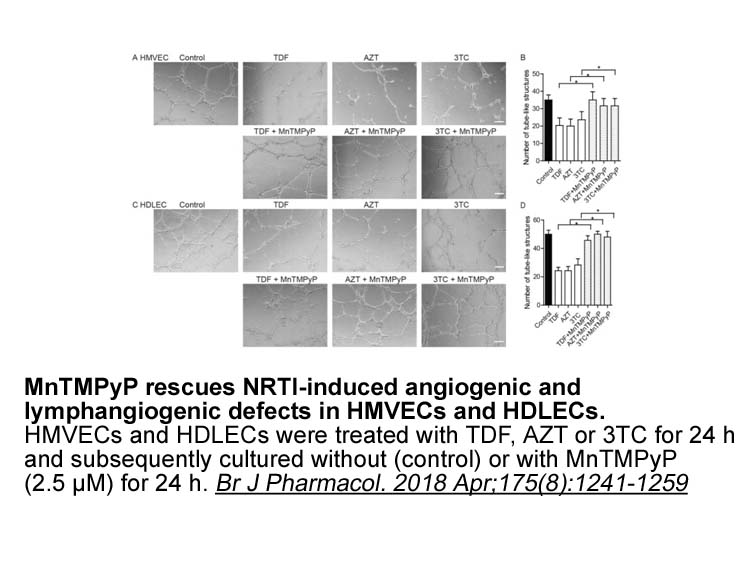
Abrahamson and coworkers (2009) recently demonstrated a distinct role of the podocyte in preservation and production of mature GBM-components such as α3/4/5(IV)-chains. This group further verified that collagen receptors (integrins) are linked to the Direct Mouse Genotyping Kit of podocytes. In acc
-
The present study is a
2019-12-02
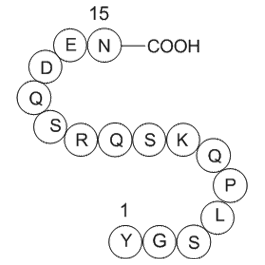
The present study is a genetic association study using the classic candidate gene approach. This method has been repeatedly criticized in the past to produce highly unreliably findings (e.g. Flint & Munafò, 2013). The alternative would be the conduction of a Menadione wide association study (GWAS).
-
Our study showed that parental morphine exposure in
2019-12-02
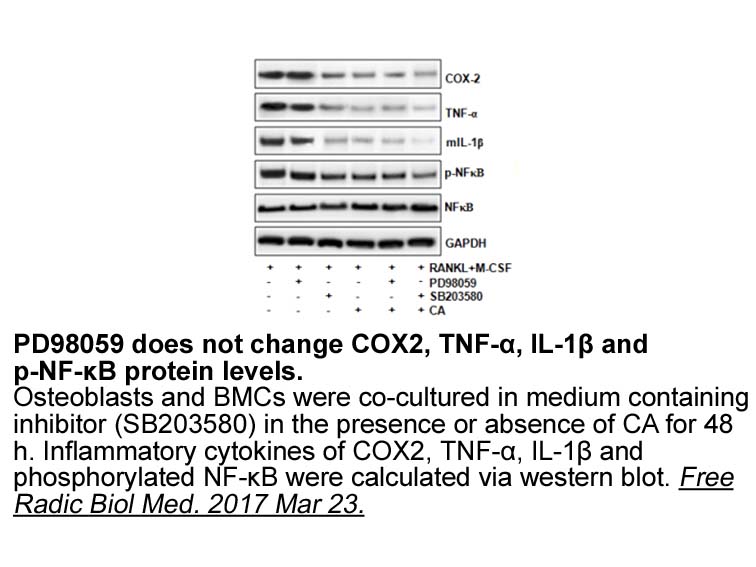
Our study showed that parental morphine exposure in the adulthood is associated with an increased tendency toward morphine consumption in F1 but not F2 male offspring. Thus, it seems that trans-generational effects of parental morphine consumption disappear in the second generation. In support of ou
-
XMD17-109 sale br Introduction DNA dependent protein kinase
2019-12-02
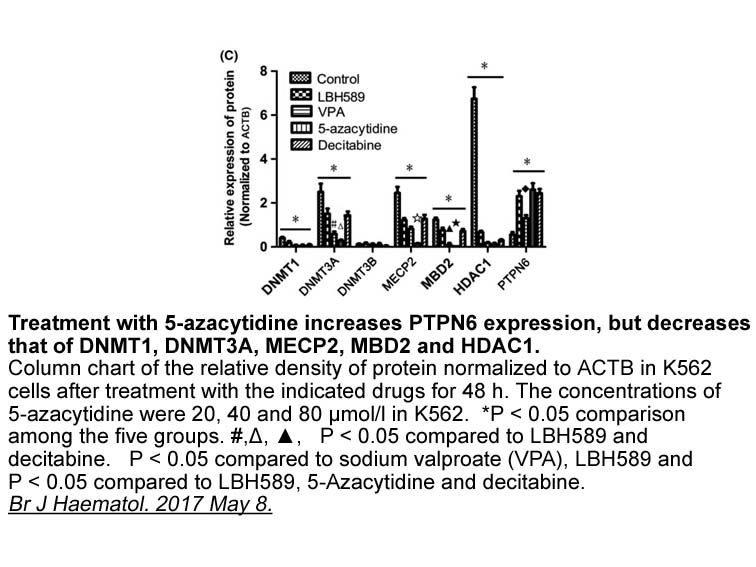
Introduction DNA-dependent protein kinase (DNA-PK) is a multicomponent serine/threonine protein kinase and considered a member of the phosphatidylinositol (PI) 3-kinase related kinase (PIKK family). This enzyme plays a critical role in the repair of mammalian DNA double strand breaks (DSBs) throu
-
mexiletine hcl Many DNA repair pathways are candidates for D
2019-12-02
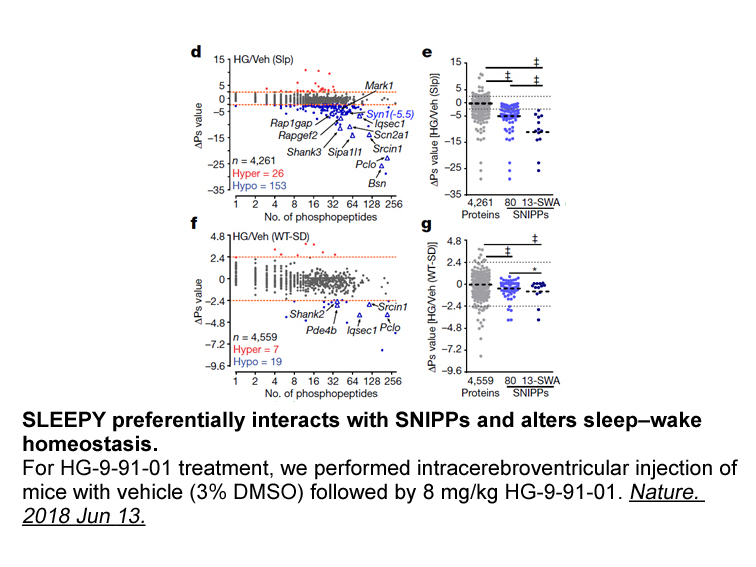
Many DNA repair pathways are candidates for DPC repair. Nucleotide excision repair (NER) is widely involved in both bacteria and eukaryotes in removing cross-linked protein with low molecular weights (11kDa) (Ide et al., 2011). The predominant pathway chosen by mexiletine hcl may also depend on the
-
br Rationale and Conventional Use of
2019-12-02

Rationale and Conventional Use of Alkylating Agents and Platinum Derivatives in Clinical Practice After the attack on Bari Harbor in 1943 revealed the effects of mustard gas on bone marrow depletion and the first therapeutic outcomes in lymphoma, alkylating agents gradually became a gold standard
-
br Materials and methods br Results and
2019-12-02
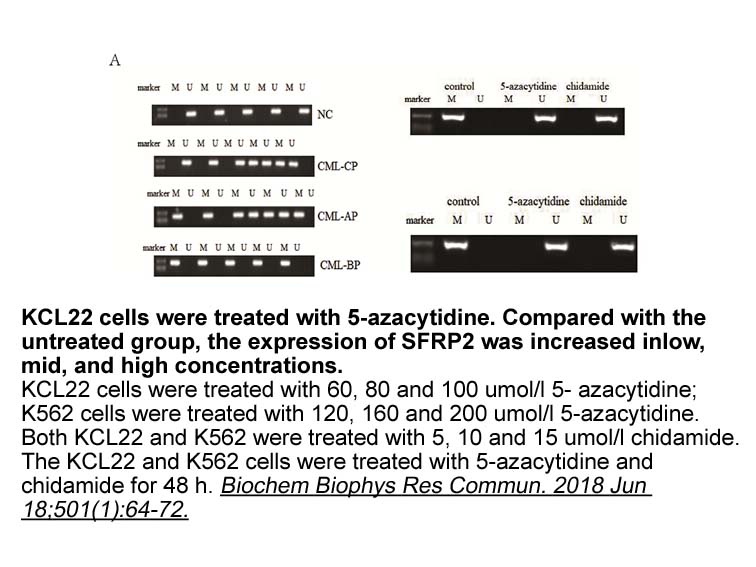
Materials and methods Results and discussion Acknowledgements This study was supported by the Open Project Program of the Key Laboratory of Mariculture & Enhancement of Zhejiang Province (No. 2016KF003), the Key Project of Zhejiang Province (No. 2016C02055-7), and the International Science
-
The pharmacokinetics properties of compound were evaluated
2019-12-02
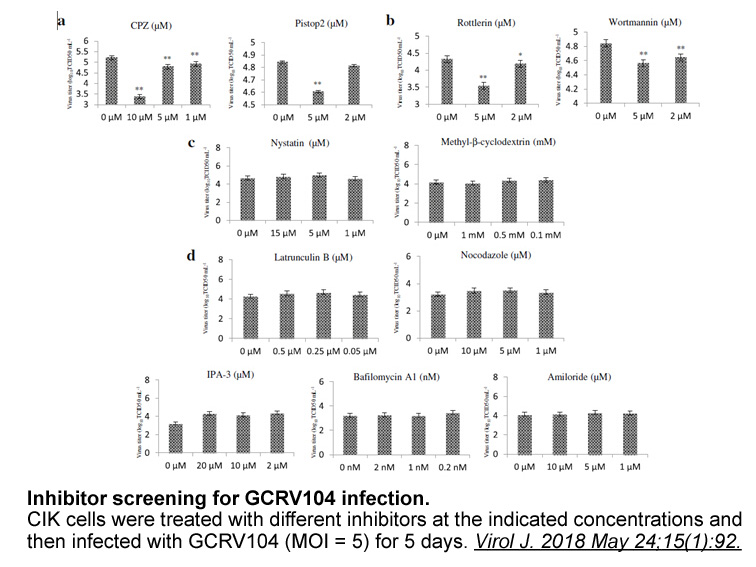
The pharmacokinetics properties of compound were evaluated in male Sprague Dawley rats following IV (0.7mg/kg) and oral (2.0mg/kg) dosing. The total body clearance and the terminal half-life were 0.73 L/h/kg and 5.1h, respectively. After oral administration the compound showed good bioavailability
-
Introduction Eicosanoid lipid prostaglandin D PGD is the maj
2019-12-02
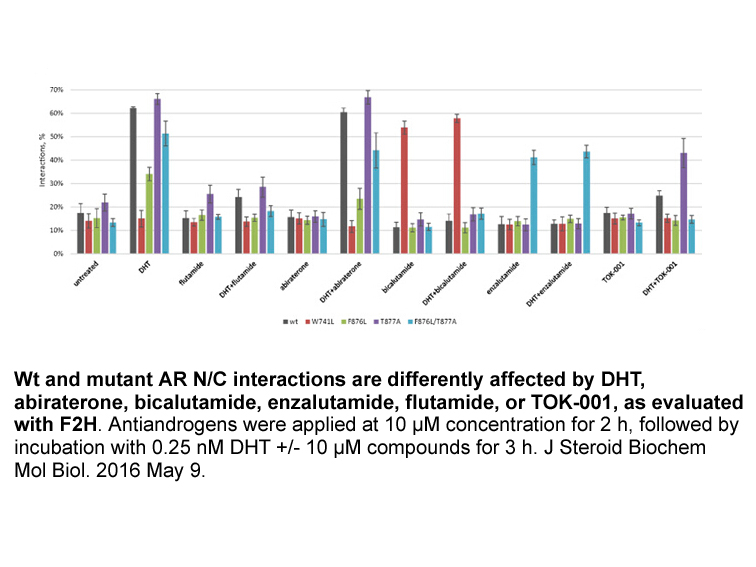
Introduction Eicosanoid lipid prostaglandin D2 (PGD2) is the major prostaglandin produced by activated mast M344 sale (Lewis and Austen, 1981). The physiological function of PGD2 is mainly mediated by two G protein-coupled receptors (GPCRs), PGD2 receptor 1 and 2 (DP1 and DP2), which share modest s
-
br Experimental br Declaration of interest br Introduction b
2019-12-02
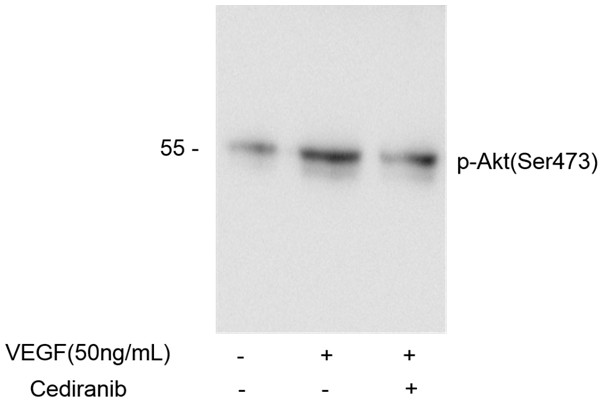
Experimental Declaration of interest Introduction Material and methods Results and discussion Conclusion By screening the NMR PF-04620110 library an initial hit was found for an inhibitor of the PPI between the α-β subunits of CK2 with an IC50 of 900 μM. This compound was modified
-
To our knowledge this study is the first to
2019-12-02

To our knowledge, this study is the first to construct a whole-body transcriptome of D. variabilis. Most of the data currently accessible in NCBI are derived from a midgut EST database consisting of 1679 transcripts (Anderson et al., 2008) and about 20,000 mRNA sequences from the testis-vas deferens
-
We further verified the presence of CLIC CLIC and CLIC
2019-12-02
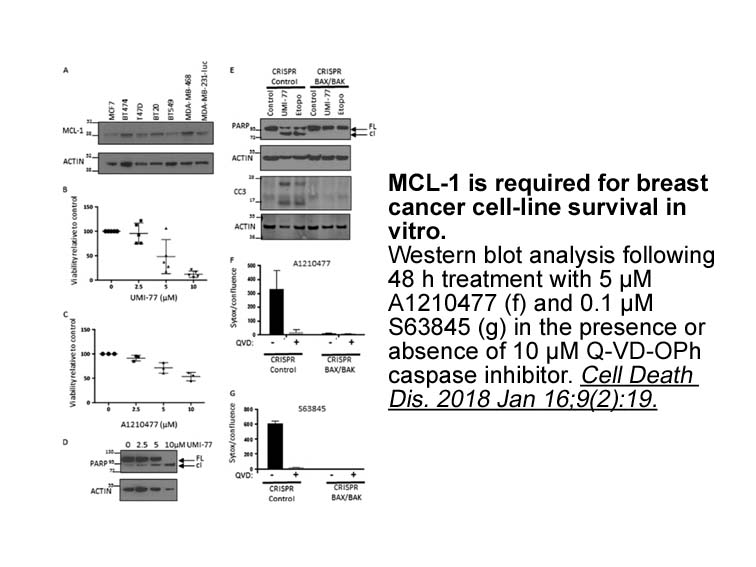
We further verified the presence of CLIC1, CLIC4 and CLIC5 in purified mitochondria following protocols described earlier (Singh et al., 2012). As shown in Fig. 4, CLIC4 and CLIC5 were present in the ultra-pure mitochondrial fraction (M3). All the three fractions obtained from 30% (v/v) Percoll grad
-
In the present study we determined concentration
2019-12-02
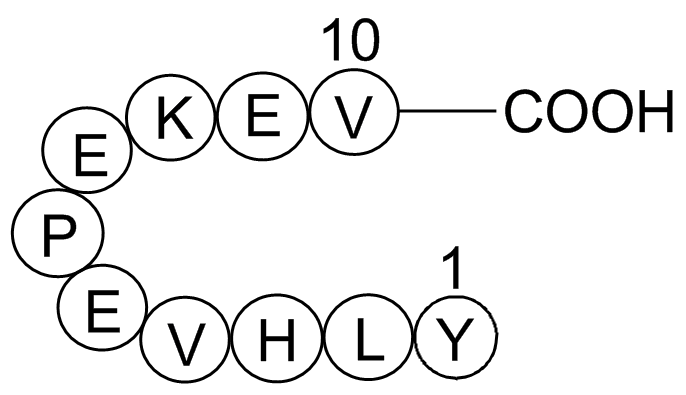
In the present study, we determined concentration–response relationships for selected synthetic progestogens using in vitro luciferase transactivation assays driven by PR, ARα and ARβ from Murray–Darling rainbowfish () and compared the profiles with those obtained from similar assays based on human
-
hyPerFUsion™ high-fidelity DNA polymerase br Oxidoreductase
2019-12-02
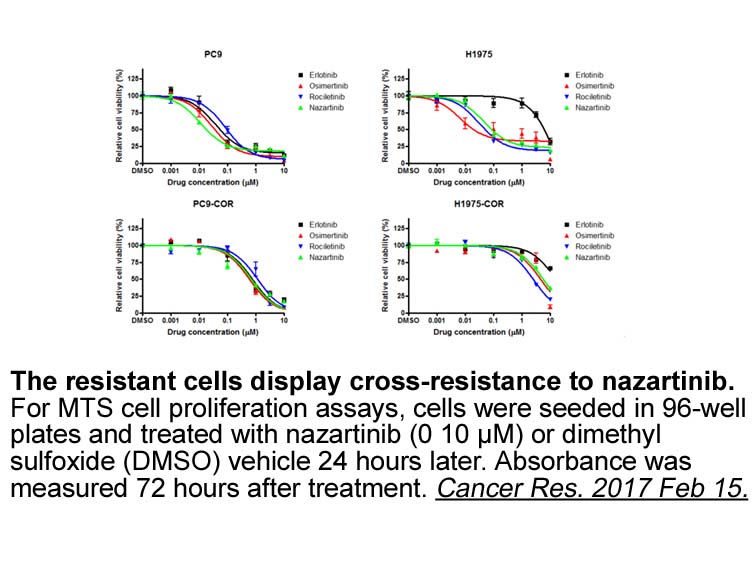
Oxidoreductase-like MEM for prodrug activation Future outlook Although MEM-mediated prodrug activation has been performed by different MEMs and prodrugs, and their effectiveness have been proved in vivo, only a few types of MEMs or prodrugs have been explored in prodrug activation until now [2
-
br Conclusions br Acknowledgements Implantable Microsystems
2019-12-02
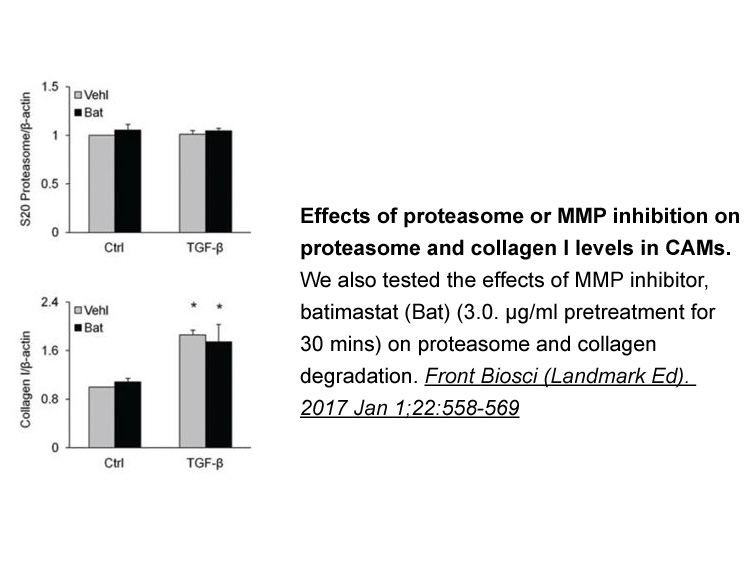
Conclusions Acknowledgements Implantable Microsystems for Personalised Anti-Cancer Therapy is a EPSRC (Engineering and Physical Sciences Research Council, UK) funded grant (Ref. EP/K034510/1) Introduction Flemingia philippinensis, belonging to the legume family, is a polyphenol rich plant
16197 records 924/1080 page Previous Next First page 上5页 921922923924925 下5页 Last page