Archives
- 2026-03
- 2026-02
- 2026-01
- 2025-12
- 2025-11
- 2025-10
- 2025-09
- 2025-03
- 2025-02
- 2025-01
- 2024-12
- 2024-11
- 2024-10
- 2024-09
- 2024-08
- 2024-07
- 2024-06
- 2024-05
- 2024-04
- 2024-03
- 2024-02
- 2024-01
- 2023-12
- 2023-11
- 2023-10
- 2023-09
- 2023-08
- 2023-07
- 2023-06
- 2023-05
- 2023-04
- 2023-03
- 2023-02
- 2023-01
- 2022-12
- 2022-11
- 2022-10
- 2022-09
- 2022-08
- 2022-07
- 2022-06
- 2022-05
- 2022-04
- 2022-03
- 2022-02
- 2022-01
- 2021-12
- 2021-11
- 2021-10
- 2021-09
- 2021-08
- 2021-07
- 2021-06
- 2021-05
- 2021-04
- 2021-03
- 2021-02
- 2021-01
- 2020-12
- 2020-11
- 2020-10
- 2020-09
- 2020-08
- 2020-07
- 2020-06
- 2020-05
- 2020-04
- 2020-03
- 2020-02
- 2020-01
- 2019-12
- 2019-11
- 2019-10
- 2019-09
- 2019-08
- 2019-07
- 2019-06
- 2019-05
- 2019-04
- 2018-11
- 2018-10
- 2018-07
-
Thermal analysis of the NQ peptide was
2021-09-23
Thermal analysis of the NQ21 peptide was performed with the Solar CM2203 spectrofluorometer. We prepared three 1 μg/mL peptide solutions with different Carbenicillin, Disodium Salt levels (5.0, 7.4, 8.5) in 0.01 M phosphate buffers. Each solution was slowly heated up from 28 °C to 54 °C with a step
-
We next compared the enhancing effects
2021-09-23
We next compared the enhancing effects of 100nM zinc on currents produced by a low concentration of glycine with zinc effects on the same currents produced by the partial agonist taurine. In this experiment, zinc was co-applied with concentrations of glycine or taurine producing 5–10% of the maximal
-
To date glycine receptors have been found
2021-09-23
To date, glycine receptors have been found in five distinct transmembrane protein subunits (one β subunit and four α subunit (α1–α4)), combining to form two different types of functional receptors [4], [14], either α homomeric, the immature extrasynaptic glycine receptor subtype, or αβ heteromeric,
-
The general synthetic routes leading to aspartate
2021-09-23
The general synthetic routes, leading to aspartate and 2,3-diaminopropionate analogs, are shown in . As outlined in , aspartic glycosylase inhibitor analogs – were synthesized through standard carbodiimide-mediated coupling between an amine and an appropriately protected aspartic acid. It is worth
-
br Conclusion In summary a series
2021-09-23
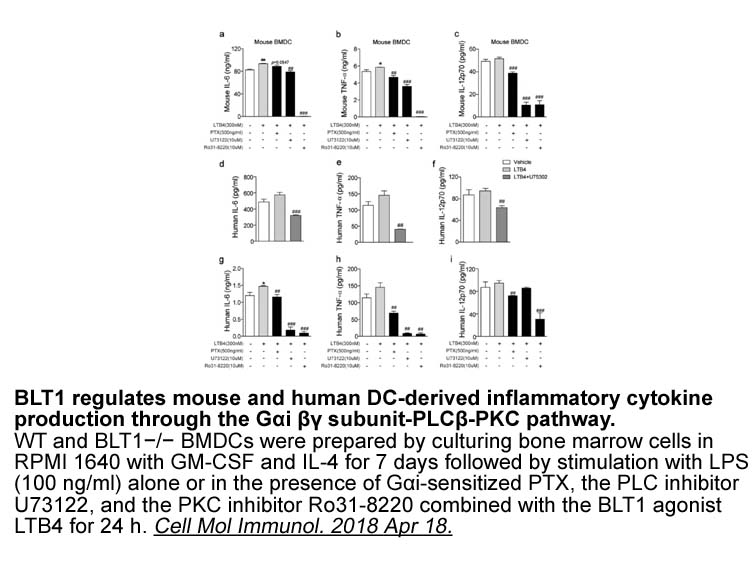
Conclusion In summary, a series of novel GPR40 agonists bearing phenylpropiolic 1027 motif with favorable metabolic stability were prepared and evaluated for their activities as GPR40 agonists. Among them, compound 9 was identified as a structurally distinct GPR40 agonist possessing potent activ
-
br Therapeutic approaches exploiting Cx function Due to thei
2021-09-23
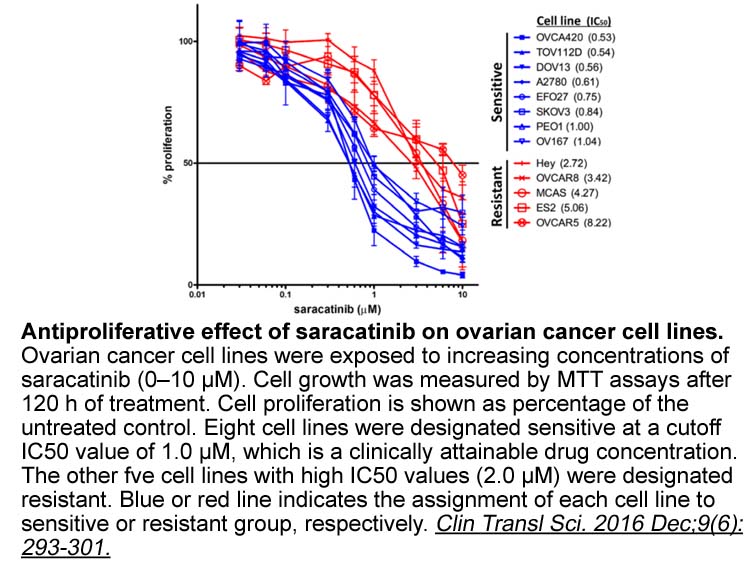
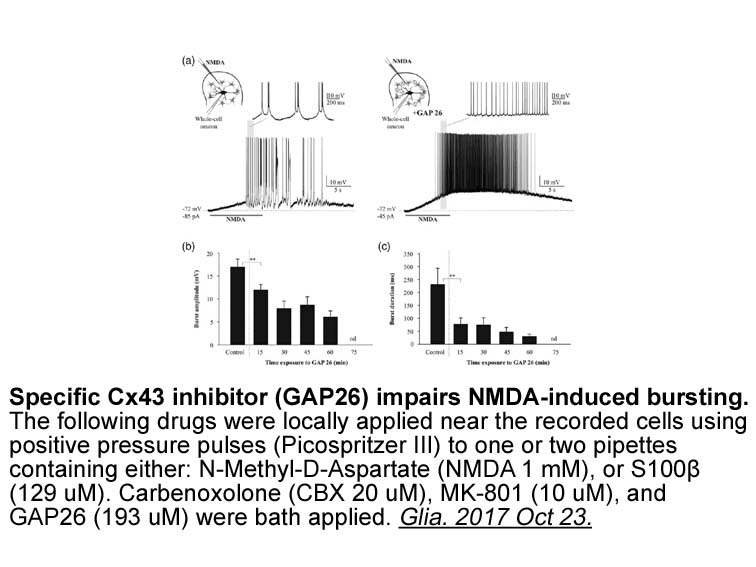
Therapeutic approaches exploiting Cx43 function Due to their potential role in cancer metastasis, attempts have been made to alter connexin function to inhibit cancer growth. Therapeutic approaches include Cx43 peptide mimetics, Cx43 inhibitors, chemical agents capable of enhancing Cx43 function,
-
The chemical structure of BAs consists of a steroid
2021-09-23
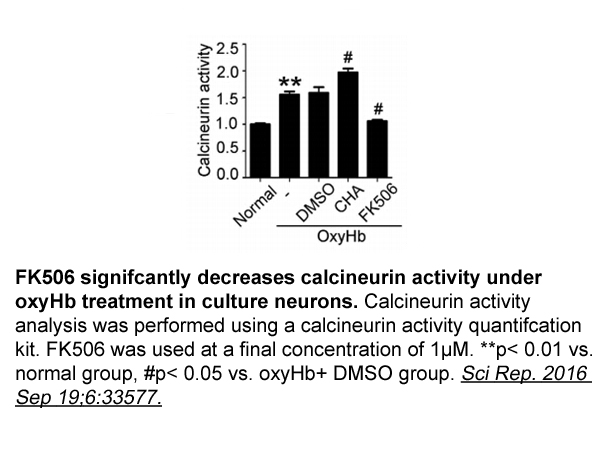
The chemical structure of BAs consists of a steroid nucleus with an acidic side chain. They are amphipatic molecules characterized by a hydrophilic α-face and a hydrophobic β-face. The hydrophobic pocket of the FXR LBD interacts with BAs largely through the β-face. The α-face contains several hydrox
-
Moreover intestinal chronic inflammation is a promoting
2021-09-23
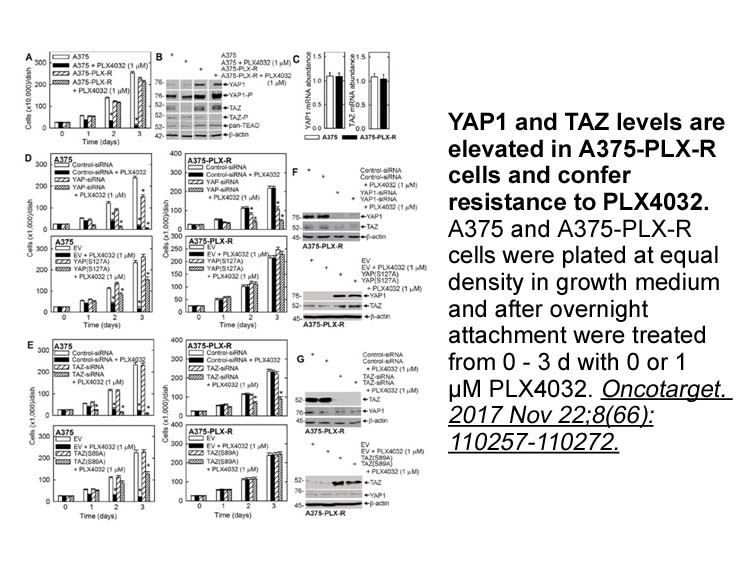
Moreover, intestinal chronic inflammation is a promoting factor in the development of CRC in patients affected by inflammatory bowel disease (IBD), such as Crohn's disease and ulcerative colitis. We have previously shown that pharmacological FXR activation via its ligand obeticolic 74 receptor coun
-
In addition several other considerations were made for the
2021-09-22

In addition, several other considerations were made for the optimization exercise. While the structural features of the endogenous ligands for long-chain fatty 98 9 receptors suggest obtaining orthosteric agonists with drug-like properties may be challenging, the optimization efforts were committed
-
br Clinical development of FGFR inhibitors
2021-09-22
Clinical development of FGFR inhibitors in breast cancer The rationale to explore the role of FGFR inhibitors in patients with breast cancer comes from a variety of sources. These include genomic aberrations frequently identified in the FGF/FGFR pathway in breast cancer, the increased sensitivity
-
Treatment with histamine had no effect on
2021-09-22
Treatment with histamine had no effect on histamine H1 receptor expression in HepG2 find out this here (Fig. 1), while knockdown of histamine H1 receptor expression prevented histamine from repressing apo A-I gene expression (Fig. 2). Overexpression of the histamine H1 receptor regulated apo A-I pr
-
br Conclusions In summary our
2021-09-22
Conclusions In summary, our results demonstrate that in short term effect, TBT induced concentration-dependent vasorelaxation of HUA rings. Regarding the long term effects, exposure to a concentration of 100 μM TBT the human umbilical pramiracetam have a dual effect, and a decrease of the 5-HT2A
-
Another level of complexity within the TGF SMAD and Hippo
2021-09-22
Another level of complexity within the TGF-ß/SMAD and Hippo/YAP/TAZ pathway crosstalks was recently uncovered. TGF-ß induces robust TAZ, but not YAP, protein expression in both mesenchymal and epithelial vasoactive intestinal peptide through a SMAD3-independent, p38/MAPK-dependent mechanism that tr
-
Danazol br Introduction Sister chromatid cohesion is establi
2021-09-22
Introduction Sister-chromatid cohesion is established during DNA replication by a ring-shaped cohesin complex consisting of the core subunits Smc1, Smc3, Scc1, and SA1 or SA2, which recruit regulatory subunits Pds5 (Pds5A/B in vertebrates), Wapl, and Sororin to regulate the association of cohesin
-
Pregnenolone Carbonitrile mg Several lines of evidence sugge
2021-09-22
Several lines of evidence suggest that thermosensation in AFD is unlikely to be mediated by thermosensitive ion channels. AFD exhibits a steep temperature dependence with a reported Q of >1015 for temperature-evoked current, implying a strong amplification step in the thermotransduction process (Ram
16198 records 577/1080 page Previous Next First page 上5页 576577578579580 下5页 Last page