Archives
- 2026-03
- 2026-02
- 2026-01
- 2025-12
- 2025-11
- 2025-10
- 2025-09
- 2025-03
- 2025-02
- 2025-01
- 2024-12
- 2024-11
- 2024-10
- 2024-09
- 2024-08
- 2024-07
- 2024-06
- 2024-05
- 2024-04
- 2024-03
- 2024-02
- 2024-01
- 2023-12
- 2023-11
- 2023-10
- 2023-09
- 2023-08
- 2023-07
- 2023-06
- 2023-05
- 2023-04
- 2023-03
- 2023-02
- 2023-01
- 2022-12
- 2022-11
- 2022-10
- 2022-09
- 2022-08
- 2022-07
- 2022-06
- 2022-05
- 2022-04
- 2022-03
- 2022-02
- 2022-01
- 2021-12
- 2021-11
- 2021-10
- 2021-09
- 2021-08
- 2021-07
- 2021-06
- 2021-05
- 2021-04
- 2021-03
- 2021-02
- 2021-01
- 2020-12
- 2020-11
- 2020-10
- 2020-09
- 2020-08
- 2020-07
- 2020-06
- 2020-05
- 2020-04
- 2020-03
- 2020-02
- 2020-01
- 2019-12
- 2019-11
- 2019-10
- 2019-09
- 2019-08
- 2019-07
- 2019-06
- 2019-05
- 2019-04
- 2018-11
- 2018-10
- 2018-07
-
br Patients and methods br Results br Discussion The
2021-11-01
Patients and methods Results Discussion The positivity of serum anti-HBc is the most commonly used marker to confirm the history of HBV infection. Quantification of serum anti-HBc has been explored as a marker of HBV-induced hepatitis and the adaptive immune response against HBV infection a
-
Although it has been observed in numerous studies and by
2021-10-29
Although it has been observed in numerous studies and by many investigators that intraplatelet cGMP elevation results in platelet inhibition, there are a few papers which proposed a platelet stimulatory role for cGMP when elevated in response to NO donors or PDE5 inhibitors in mouse and human platel
-
We also demonstrated that inhibition of NAAG
2021-10-29
We also demonstrated that inhibition of NAAG hydrolysis to suppress glutamate production through a GCPII inhibitor is a viable target for cancer therapy. GCPII is also known as N-acetyl-L-aspartyl-L-glutamate peptidase I (NAALADase I) or NAAG peptidase (Pinto et al., 1996), and its increased express
-
Next we investigated the transfer of peptides
2021-10-29
Next, we investigated the transfer of peptides and proteins between contacting cells by nano-LC-MS/MS analysis using the fractions corresponding to molecules higher than 3 kDa. The MS data analysis revealed the direct transfer of several labelled peptides between receivers and donors. Labelled pepti
-
guanylyl cyclase More recently Dal Peraro and coworkers
2021-10-29
More recently, Dal Peraro and coworkers [38] carried out 4 μs CG MD simulations of GS with six randomly placed C9915-55 peptides embedded into a synaptic plasma bilayer model. This lipid raft model was constituted by 32 different guanylyl cyclase and cholesterol (54.74%). In this study, the authors
-
The effects of galanin on anxiety may depend on
2021-10-29
The effects of galanin on anxiety may depend on the site of drug administration, on the galanin receptor subtypes activated and on the animal models of anxiety employed (Barrera et al., 2005, Holmes and Picciotto, 2006, Soares et al., 2016a, Soares et al., 2016b). For instance, administration of gal
-
Consistent with our gene profiling
2021-10-29
Consistent with our gene-profiling analyses showing that genes involved in mutual compensation of EGFR or integrin/FAK were significantly downregulated by Tinagl1 overexpression, treatment with r-Tinagl1 inhibited the activation of EGFR and FAK in vitro, and phenocopied the combined inhibition of in
-
Radezolid Focal adhesion kinase FAK is a
2021-10-29
Focal adhesion kinase (FAK) is a non-receptor type tyrosine kinase that can further cooperatively interact with receptor tyrosine kinase signaling to regulate adhesion, migration, survival, proliferation, polarization, and differentiation [12]. Following activation, phosphorylated extracellular regu
-
Although it is well documented that
2021-10-29
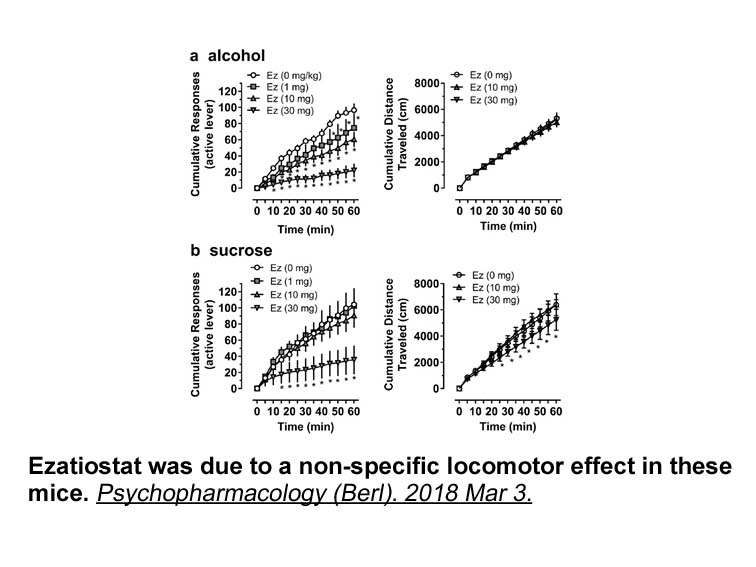
Although it is well documented that FAAH substrates can elicit analgesic effects [for review see [47,48] and that systemic poly I:C administration induces mechanical allodynia in rats [14], to our knowledge this is the first study to demonstrate that enhancing FAAH substrate levels can modulate TLR3
-
Signaling pathways such as BMP FGF and WNT
2021-10-29
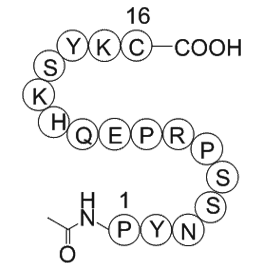
Signaling pathways such as BMP, FGF, and WNT are strongly involved in the process of endochondral ossification and Meckel's cartilage development [20]. Interestingly, absence of BMP antagonist, Noggin, in Meckel's cartilage, resulted in a phenotype, very similar to that of Setdb1 CKO [16]. To examin
-
br Introduction Soluble guanylyl cyclase
2021-10-28
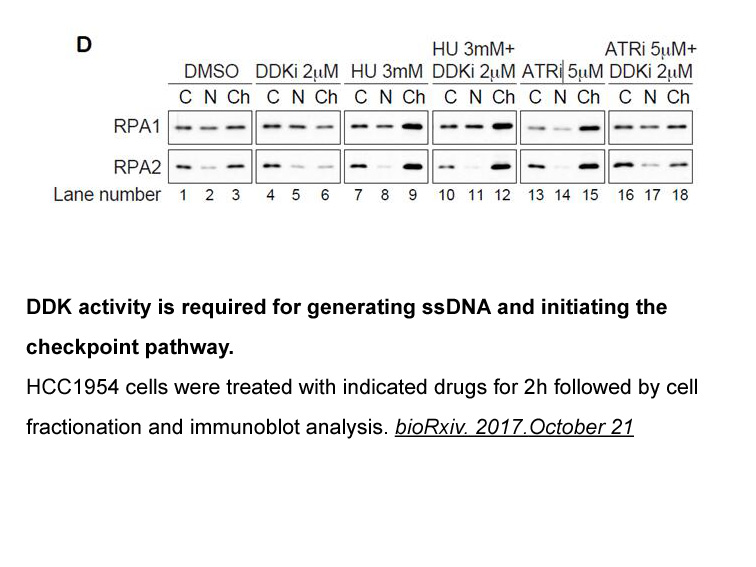
Introduction Soluble guanylyl cyclase (GC-1) maintains vascular function through the NO/GC-1/cGMP pathway [1,2] by catalyzing the conversion of GTP into cGMP (Fig. 1). The GC-1 heme prosthetic group binds NO with picomolar affinity, resulting in a 100- to 200-fold increase in catalytic activity.
-
Further SAR was explored with the imidazole series to achiev
2021-10-28
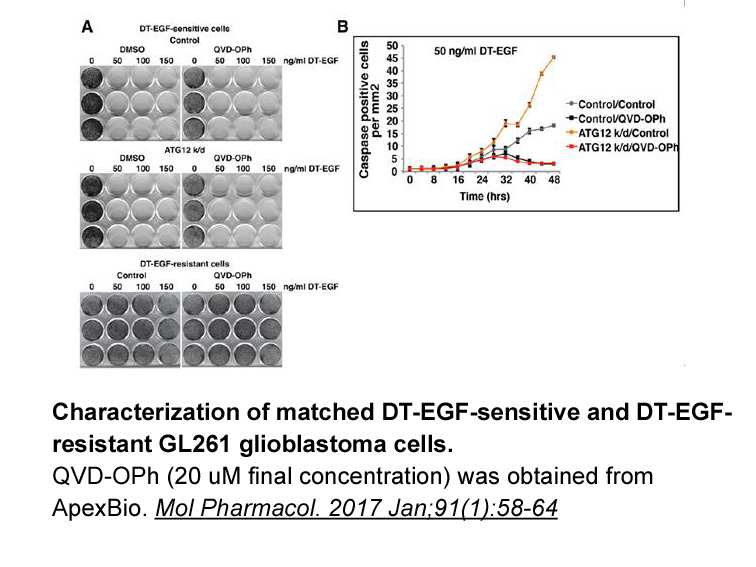
Further SAR was explored with the imidazole series to achieve better enzyme inhibition activity (). In comparison to published earlier, replacing the amide with sulfonamide and reverse sulfonamide maintained the GSNOR inhibitory activity. It is clear that exchanging the phenyl ring (, and ) by t
-
br Gastrointestinal peptides and intestinal health Gastroint
2021-10-28
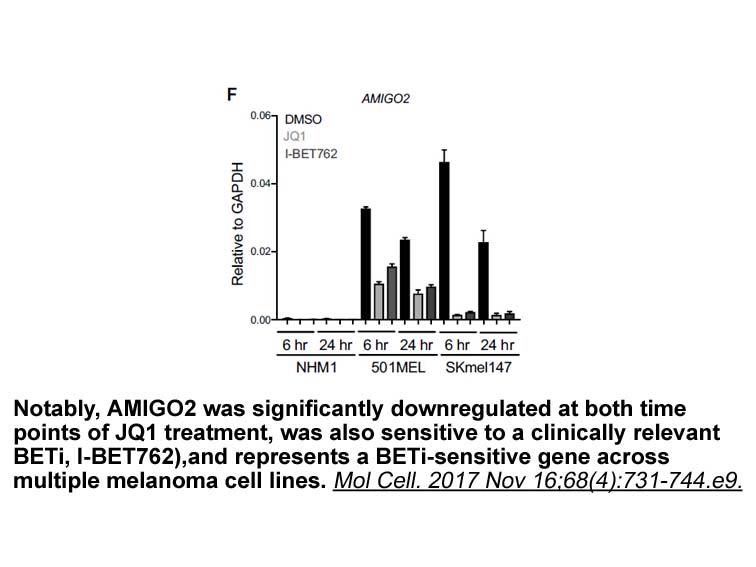
Gastrointestinal peptides and intestinal health Gastrointestinal peptides are intimately involved in the regulation of feeding behaviors, energy metabolism and bodyweight 36, 37, 38, 39, 40, 41. GPR120 has been demonstrated to induce secretion of two such peptides: GLP-1 and cholecystokinin (CCK)
-
Despite having potent activity and good solubility showed
2021-10-28
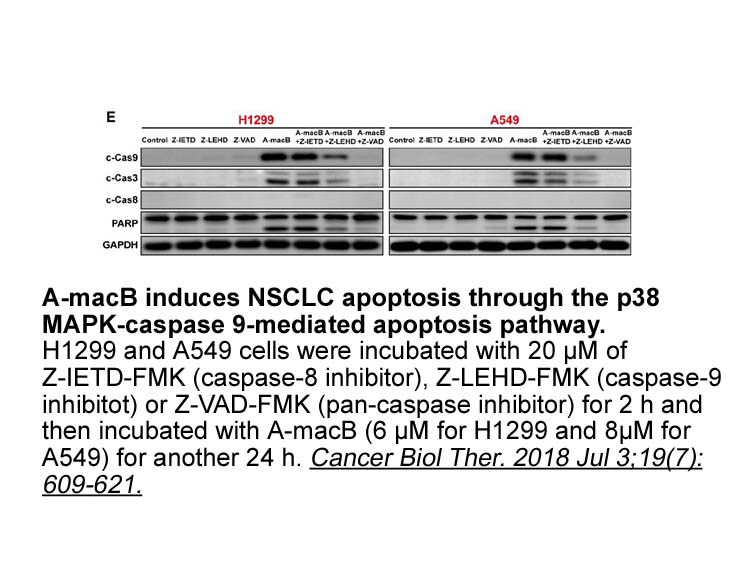
Despite having potent activity and good solubility, showed inhibitory activities against cytochrome P450 (CYP) 2C8, 2C9, and 2C19 with an IC value of less than 10 μM. In general, the specificity of the compound to the target should improve and the off-target risk such as CYP inhibitory activity shou
-
Entry into CNS is tightly regulated
2021-10-28
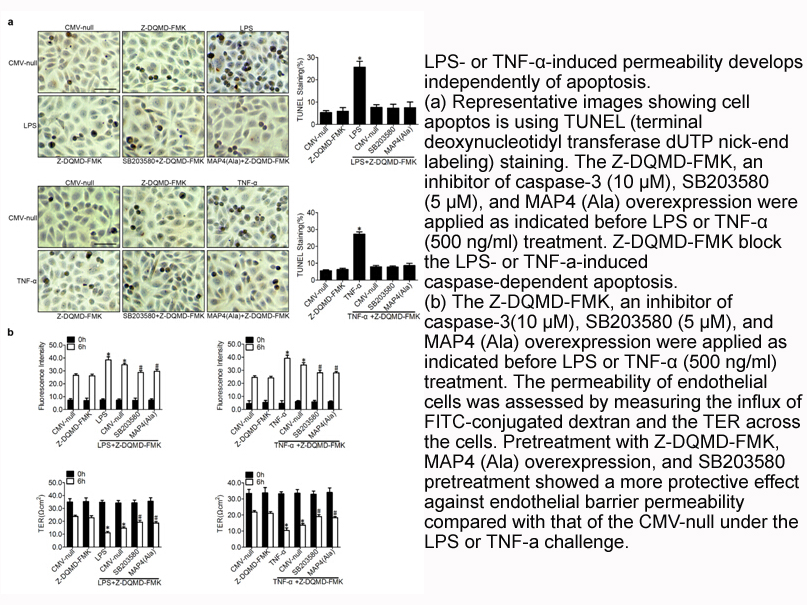
Entry into CNS is tightly regulated by highly dynamic barriers, namely, the BBB, the blood-CSF barrier, and the arachnoid epithelium (Abbott et al., 2010; Yasuda et al., 2013). Similar barriers also exist within the CNS including the ependymal barrier as well as the cellular membrane barriers of the
16198 records 555/1080 page Previous Next First page 上5页 551552553554555 下5页 Last page