Archives
- 2026-10
- 2026-09
- 2026-08
- 2026-07
- 2026-06
- 2026-05
- 2026-04
- 2026-03
- 2026-02
- 2026-01
- 2025-12
- 2025-11
- 2025-10
- 2025-09
- 2025-03
- 2025-02
- 2025-01
- 2024-12
- 2024-11
- 2024-10
- 2024-09
- 2024-08
- 2024-07
- 2024-06
- 2024-05
- 2024-04
- 2024-03
- 2024-02
- 2024-01
- 2023-12
- 2023-11
- 2023-10
- 2023-09
- 2023-08
- 2023-07
- 2023-06
- 2023-05
- 2023-04
- 2023-03
- 2023-02
- 2023-01
- 2022-12
- 2022-11
- 2022-10
- 2022-09
- 2022-08
- 2022-07
- 2022-06
- 2022-05
- 2022-04
- 2022-03
- 2022-02
- 2022-01
Thus aldolase catalyzing the reversible
2022-02-26

Thus, aldolase catalyzing the reversible reaction of F1,6-P2 synthesis is involved in the formation of the glyconeogenic or glycolytic complex, dependently on the physiological state of the cell. In the process of glycogen synthesis, the enzyme not only supplies the substrate for FBPase and desensit
To our knowledge the putative role
2022-02-26
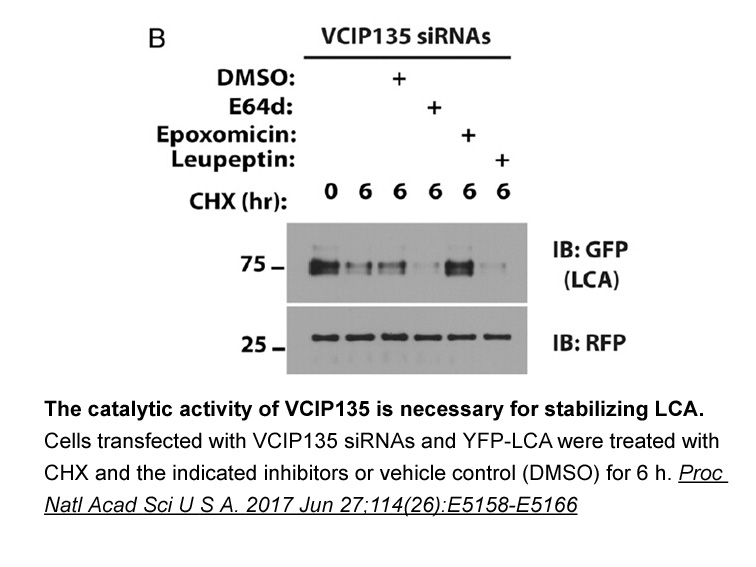
To our knowledge, the putative role of ET-1 and ETB-R in oligodendroglioma progression was not documented so far. Using primary cultures of grade B oligodendroglial tumor cells, we have here assessed the functionality of ETB-R expression in these tumors. Confocal microscopy analysis confirmed the st
In this study we evaluated and compared the
2022-02-26
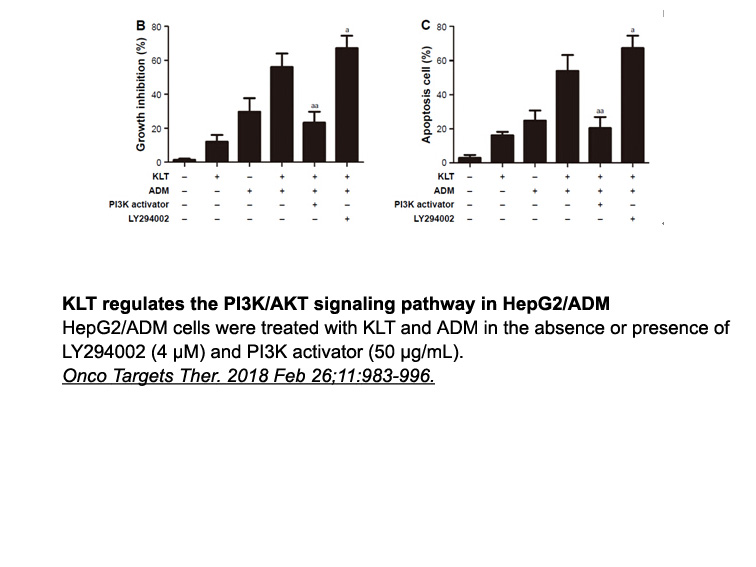
In this study we evaluated and compared the kinetics and duration of the oral and systemic HPV-16 and HPV-18 specific antibody response to three doses of the qHPV vaccine in mid-adult aged HIV+ men from the AIDS Malignancy Cohort (AMC) 052 trial and mid-adult aged HIV− men from the Mid-Adult Male [M
The following are the supplementary data related to this art
2022-02-25
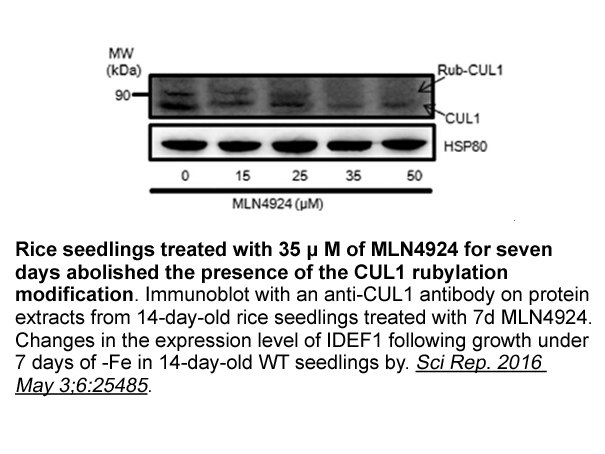
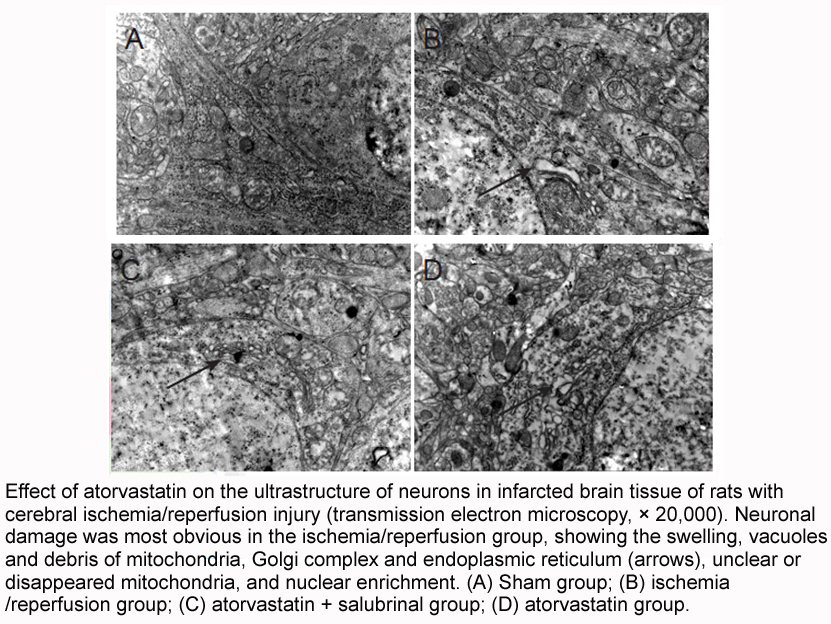
The following are the supplementary data related to this article. Transparency document Introduction Hypoxia is a pathological process that causes abnormal changes in metabolism, function and morphological structure of tissue because of insufficient oxygen supply. It's reported that hypoxia w
br Hydroxamic acids br Inhibitors with reporting modalities
2022-02-25
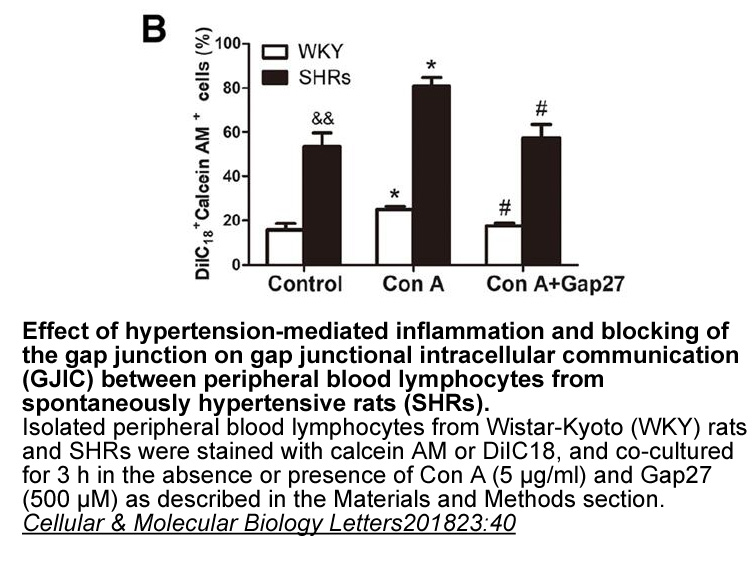
Hydroxamic acids Inhibitors with reporting modalities Dual or more HDAC inhibitors Conclusion Finally, non-human HDAC such as Schistosoma mansoni HDAC8 are targeted for parasitic diseases and recent work highlight the interest of HDACs in viral infections. Despite their discovery in the
With an ever increasing incidence rate
2022-02-25
With an ever-increasing incidence rate of type 2 diabetes and obesity, it is imperative to develop new therapeutic regimes that may provide a benefit both in terms of efficacy and tolerability. The existing portfolio of drugs for the treatment of metabolic disorders, primarily type 2 diabetes and ob
triclosan products synthesis Originally identified as a GPCR
2022-02-25
Originally identified as a GPCR upregulated on Burkitt lymphoma cells upon Epstein-Barr virus infection (Birkenbach et al., 1993), Ebi2 was later found to play critical roles in immunity by regulating the migration of activated triclosan products synthesis to extrafollicular sites for early plasmab
br Acknowledgement The author expresses her sincere apprecia
2022-02-25
Acknowledgement The author expresses her sincere appreciation to Brian P. Kenealy, Ph.D. for his contributions to the series of studies described in this article that were conducted during his tenure in the lab, as a graduate student first and then a postdoctoral research fellow. She also thanks
MK-2206 To shed more light on the binding
2022-02-25

To shed more light on the binding of benzophenanthridine to GlyT1, we studied how the replacement of certain residues around the sanguinarine sensitive cysteine 475 previously identified (Jursky et al., 2012) affects GlyT1 inhibition of by these alkaloids. Based on these results we propose a putativ
Pediatric cancers are fundamentally different from adult
2022-02-25
Pediatric cancers are fundamentally different from adult tumors and usually display a lower mutational burden and a faster growth rate. About 30% of all childhood malignancies are solid tumors and, in a majority of cases, respond well to chemotherapy. However, in particular in neuroblastoma the succ
We have previously shown in the same time frame reported
2022-02-25
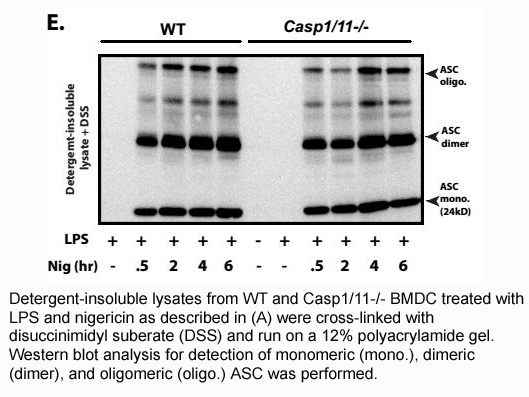
We have previously shown in the same time frame reported here (10 min) that AG was not degraded into DAG [29] and that the half-life of AG in human serum is ∼10 min [49]. However, we cannot rule out in this study that there is not breakdown to DAG that could contribute to the levels of 125I-ghrelin
Some aspects of intercellular Ca wave spread are similar
2022-02-25
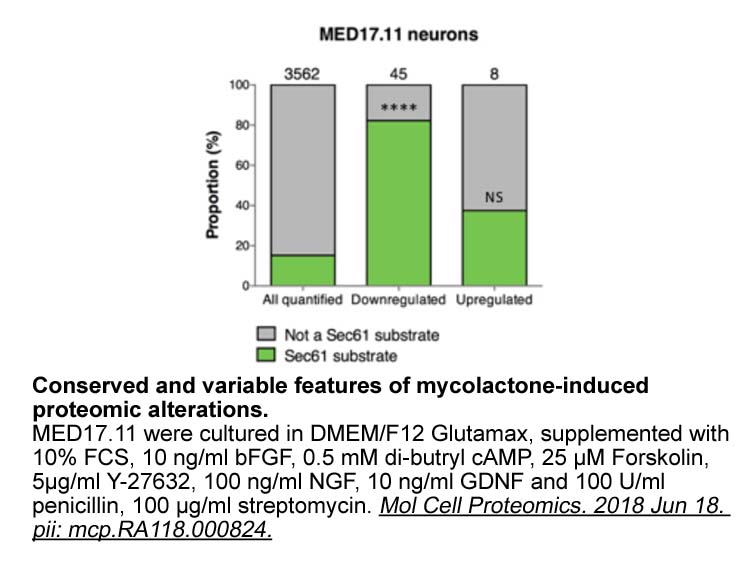
Some aspects of intercellular Ca2+ wave spread are similar to the phenomenon of spreading depression and associated with migraine headache [57]. These depolarization waves, followed by electrical inhibition, are evoked by transient hypoxia and other types of AP1903 injury and spread slowly across th
Albumin is the major carrier of free fatty acids FFAs
2022-02-24
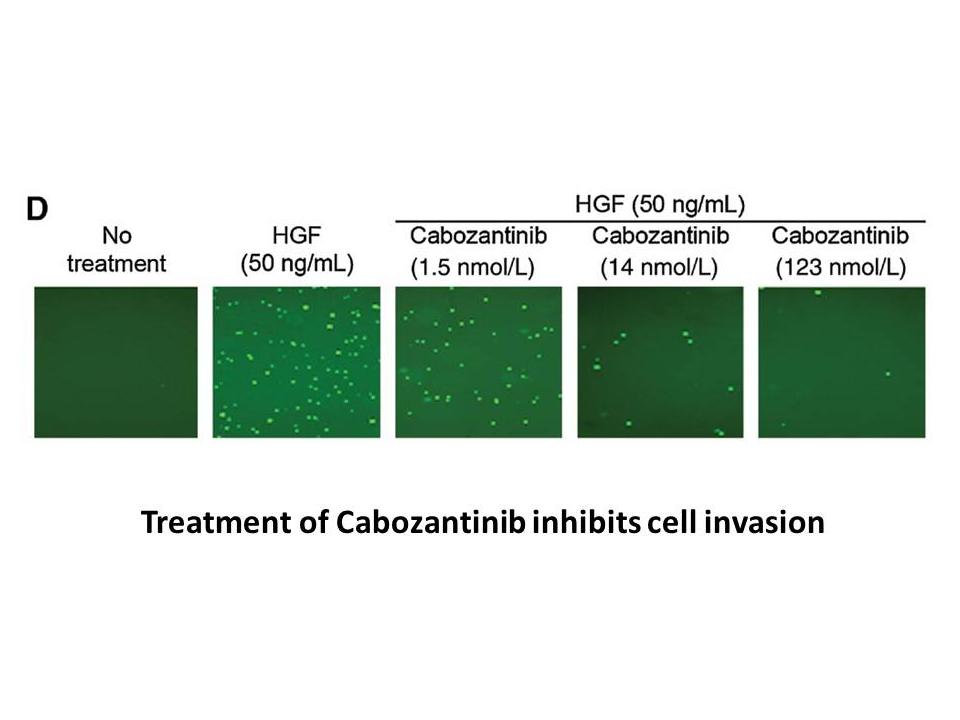
Albumin is the major carrier of free fatty acids (FFAs) in plasma [59], and harbours seven binding sites that are common to FFAs with a range of chain-lengths (C10-C18) across its three domains (Fig. 1a) [60,61]. In vitro, saturated, mono- and poly-unsaturated FFAs, with chain lengths ranging from C
phase 3 Recent research has focused on identifying key agoni
2022-02-24
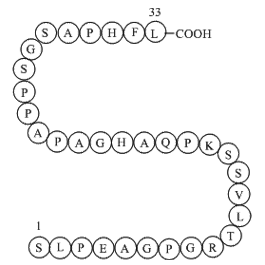
Recent research has focused on identifying key agonists and receptors mediating nutrient-induced GLP-1 and insulin secretion. The long-chain fatty phase 3 receptor GPR40 is the most abundant GPCR expressed in islet β cells and is also expressed on intestinal L-cells, where it contributes to GLP-1 r
However at variance with the well
2022-02-24

However, at variance with the well-studied R form of FBP1 which is flat, the R state of FBP2 is diametrically different, with a perpendicular orientation of the upper and lower dimers (Barciszewski et al., 2016). The cruciform-like R state of FBP2 is stabilized by a unique hydrophobic motif called ‘
8086 records 509/540 page Previous Next First page 上5页 506507508509510 下5页 Last page